Persuasion and nudge theory concepts are trickling into business travel. Whether we realise it or not these tactics are already used so often in our lives — something that only really clicked in my mind after reading this article in London's ES magazine and listening to our webinar last week.
Nudge theory is everywhere in the guise of game-like features, often called gamification, or website messages and notifications that encourage a decision.
You may brush these off as new or resurrected buzzwords but are worth paying attention to given that younger workforces consume and think differently towards technology, and the level of success some brands have had using similar techniques.
Additionally there could be a shift in approach if we see more of an influence from technology leaders in business travel programmes. New research of the US business travel market by Phocuswright found decision-making is shifting from procurement/marketing to the chief technology officer. Two other trends it identified linked to virtual/digital payments and simplification — both inherently tied into technology.
Would buyers in Europe follow a similar strategy? What new spin does that put on where travel programmes go moving forward?
Perhaps rewarding virtual badges for saving money isn't quite the way to go but visuals, recommendations or and a little praise could alter traveller choice and engagement.
And of course not all persuasion comes in the form of technology. But here's a few examples of what is already working.
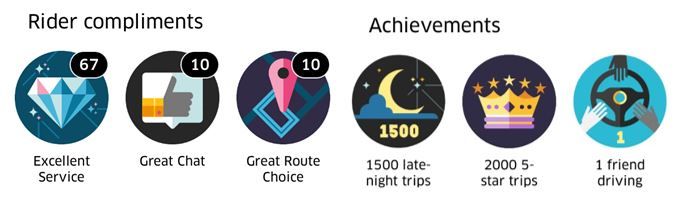
Fitbit, Uber and several others use badges or achievements for reaching certain milestones or 'rewarding' others actions.
Booking.com creates a sense of urgency with messages and pop-up notifications.

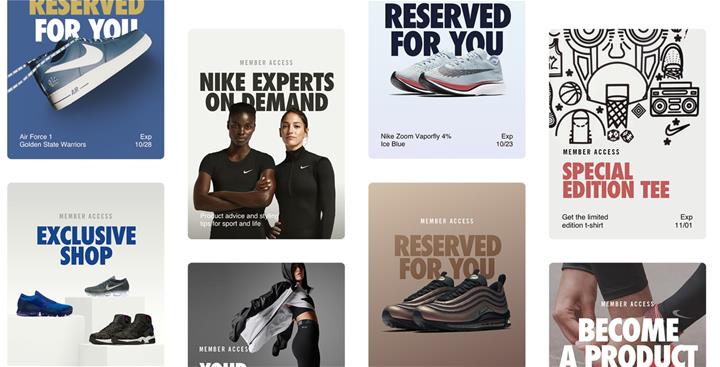
As the ES article describes, Nike+ members work out to earn rewards such as exclusive products or playlists. What if work benefits could be made exclusively available through taking particular actions while not just travelling for work but any incentivised behaviour across the business?