Paul Wait
Lufthansa's recent decision to add a surcharge of €16 to fares booked via a GDS continues to cause much frustration and debate in the business travel industry. The full fall out won't be known until later in the year when the longer term impact of the levy will be clearer. However, as the voice of the travel management industry, the GTMC, wants to make sure its opposition to Lufthansa's manoeuvres are heard by everyone who has a stake in such a fundamental structure as the GDS.
The decision to attempt to circumvent the established model of using a GDS is somewhat understandable for a business under pressure to cut costs across the board. However, this move is to the detriment of Lufthansa itself, its customers and business partners — particularly travel buyers whose roles and reporting rely on the additional services that are powered by the GDS.
It is quite staggering that Lufthansa doesn't understand, or doesn't want to accept, the value that the GDSs' deliver to it. If Lufthansa has been slow to respond to changes in the airline market that is a business problem and not a distribution one and its actions are partly a result of poor results due to competitive activity from low cost European airlines. This levy has the urgency of 'cost cutting panic' written through it and history proves that pinching money from Peter to pay Paul has never been without its long term implications.
The value that TMCs deliver is significant when considering that GTMC members book over 80% of UK expenditure on managed business travel and yet, have seemingly been disregarded in Lufthansa's planning process. Lufthansa has made very limited efforts to work with TMCs through these changes or provide adequate notice of a fundamental commercial shift in focus. Moreover Lufthansa's recent claim that hundreds of TMCs have signed up to their website to avoid the levy is doubtful in the very least. Indeed, feedback received by the GTMC on behalf of its members strongly suggests that although they may have signed up in order to assess the Lufthansa site for its usability — very few actually have intent to actually use it on behalf of their clients.
Continued below
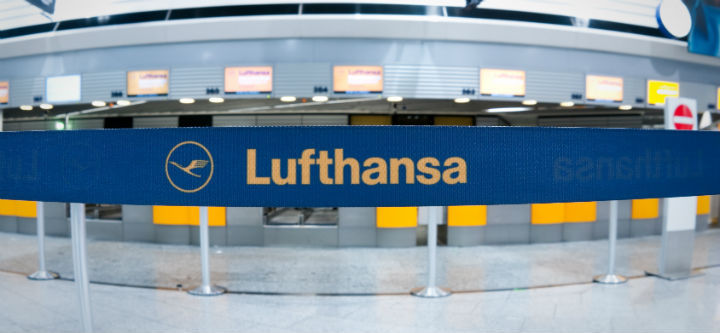 Has Lufthansa made an anti-business move? ©code6d/iStock
The Lufthansa website cannot offer the added value, expertise and knowledge that booking via a GDS always has nor can it put a 'duty of care' at the heart of its decisions as a professional TMC can. Lufthansa may be frustrated that the GDS does not provide the same functionality in promoting its products and services that their website does but that is being addressed by the GDS providers. The point remains, the Lufthansa website is just not fit for purpose when it comes to serving the needs of the business traveller.
In the business travel world, booking directly with a travel provider adds time, cost and trouble, and undoing that booking takes even longer. There is no way to track the booking or traveller, or make simple changes when, inevitably, schedules move around.
While Lufthansa's decision may have been to encourage direct bookings from both the business and leisure market, the move doesn't do much to entice the travel manager. Lufthansa has in fact forced the hand of the travel buyer to go elsewhere, including those who have publically stated that they will not follow the 'fee' route.
Sensible business leaders call upon trained experts and specialists to support their organisations in all manner of industry sectors. However Lufthansa's decision is suggesting that businesses can achieve cost savings if they ask their people to cut out those experts and book travel directly. This is really short-sighted. Sure, there might be some immediate small savings, but in the long term the business impact and cost will be hugely detrimental. TMCs provide valuable advice, insight and management information; the kind of consultancy that aids businesses with their growth, helps them be more strategic and empowers change. Fundamentally to any responsible employer, no cost saving is worth the risk of not being able to track your people, and respond to unforeseen events.
The GTMC feels that by forcing the behaviour changes among travel bookers will not only impinge on time efficiencies, it will ensure that travel bookers will favour airlines who work in a collaborative and mutually beneficial way. So Lufthansa's short term advantage on cost may well be to its longer term competitive disadvantage when it is ejected from the party on the grounds that it was a 'difficult guest'.
Is this worth the €16 per transaction Lufthansa wants to charge? Definitely not, it is worth a huge amount more. In fact, that is where Lufthansa has got it wrong. They have severed trust with a reliable distribution channel and significantly undervalued the role of third party distribution in its attempts to cut costs. Plus, it seems to be acceptable practise to Lufthansa to transfer their cost of doing business to the customer.
In the face of this challenge, Lufthansa now has an opportunity to reconsider how it will play out the point when facing the travel management industry. Third party distribution channels will always prove their value - whether that's on cost efficiencies, technological support or by continuing to provide excellent service. There is no scenario in which an airline can be a successful business if it disregards third party distribution.
If Lufthansa is in the business of selling travel for the long haul then it can only win back points — and much-needed business support — by working in partnership. The business travel sector is always willing to help those who recognise their value.