"Sorry, we have nothing available on that date. All hotels in the area are full."
I'm sure you've all experienced the frustration of trying to book a hotel room in a city that's full to bursting, and probably more than once. From one-off events such as the Olympic Games or FIFA World Cup, or as a result of high demand combined with low supply (which doesn't tend to last as long as you'd think, as developers arrive and level out supply/demand challenges), we will always be working with certain locations that, for one reason or another, have high occupancy levels.
The challenge for travel buyers and TMCs alike is staying ahead of the curve, anticipating requirements and providing travellers with the best deal while supporting suppliers with acceptable occupancy levels, vital during annual negotiations.
What does this mean?
For hoteliers dealing with exceptionally high demand, there's a temptation to focus on the short-term gain and hire a commercially-minded temporary team or adopt a short-term strategy. While this may be beneficial at the time, once the temporary team leaves or the short-term strategy comes to an end, hoteliers may find themselves dealing with the aftermath, with long-term corporate customer relationships potentially in tatters. At the same time, some travel buyers don't leave enough time to prepare, and find they end up paying far more than they would have done with appropriate planning.
It's a strategic balancing act, and a slip in decision-making can lead to challenges further down the line. Don't let this happen to you — by following these tried and tested methods, you're much more likely to land that last available room and find a room at the inn (that won't break the bank).
Use your negotiating power
Most hotel groups will have a mixed portfolio, with some high occupancy and some low occupancy properties. During negotiations, find out what your supplier wants to achieve with their lower occupancy properties, perhaps more meetings and events spend, or more room bookings at a lower performing hotel? More rooms booked during low season can show your value.
Where it works for you, offer to include a low occupancy property in your programme to help grow corporate volume for that hotel, in exchange for a better rate at a high occupancy hotel.
Leverage your total spend potential
Use your full buying power as clout during negotiations. Do your travellers spend a large amount of money in a hotel's restaurant, for example? If your 'on property' ancillary spend is high, your business becomes more attractive overall and you could find yourself benefiting from improved negotiating power and potentially more attractive rates.
Be creative
Accommodation doesn't have automatically to mean hotels. If you're planning a meeting in a city that's already full to capacity, consider alternative accommodation options, such as apartments, house boats or university campus accommodation. Just make sure you test it out first to check that it is up to your company's normal standard of accommodation. If you have regular travellers to the city, ask them to be your guinea pigs; if they like it, they can act as your ambassadors within the company, and if they don't, you have plenty of time to gather feedback and explore alternative options.
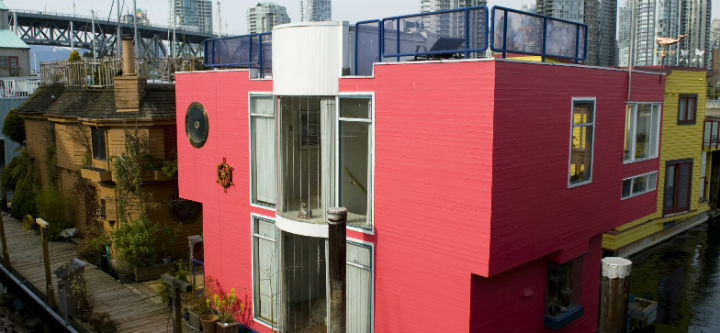 House boats in Vancouver ©KarenMassier/iStock
Check the trip is necessary
Create a traveller authorisation policy, that manages travel to high demand, high cost locations. If you have travellers attending a regular meeting, can it be moved to an alternative location, or an alternative date?
When booking in cities experiencing short-term high demand
Plan ahead
Contract as far in advance as you can, including allocations and rates. As a guide, some of the corporate contracts during the London 2012 Olympic & Paralympic Games were negotiated in 2010 to lock hotels in. However, make sure you're not contracting 'just in case'. If suppliers are giving up what is sure to be lucrative business, you must fulfil your obligations during these periods, as it can damage long-term relationships and could lead to financial penalties for corporates who don't use the rooms they've contracted.
If one of the hotels on your programme does bring in a temporary commercial team, make sure you're prepared. Start your negotiations well in advance and demonstrate the long-term value your business brings versus the short-term gain they'll see with temporary visitors. Once you've agreed and signed the terms, make sure you reconfirm with the temporary team as soon as they're in place, so they know what's been promised.
When booking in cities that are always crowded
Get rates locked in
If you know the market is unlikely to change in the next two years, that there are no significant hotel developments planned and that demand from your travellers is going to remain high, try to obtain a competitive two-year corporate rate.
Build your own
If there's a city where you always have high demand and there are never enough rooms to go around, look at whether it's feasible for you to build your own. While this might not work for everyone, if you know you will continue to have exceptionally high demand for the foreseeable future, the initial outlay may well be offset by the savings you'll make over the years. TMCs can support management of clients' own accommodation inventory as part of the overall hotel booking process.
Renegotiate where necessary
Revisit your rate cap every couple of years, unless you see extreme market conditions, in which case check it more regularly. This will make sure you're still getting the best deal for your company and travellers with rate fluctuations in either direction.
Look at other ways to save
When you must travel to a high demand city, room costs will likely be high. When this is the case, look at other ways you can cut costs, from sharing cabs, to apartments or office space. Work with your HR and legal teams to create and communicate the best plan for the business travel cost management.
And finally…
Use your TMC's expertise. Work with them to create a plan that will help you minimise cost and maximise availability, wherever you're travelling to.