Hotel programmes are constantly evolving, with everything from advances in technology to economic and environmental factors having an effect. Millennials, the new kids on the block, are driving the next round of changes, looking for the same standards as they receive in their leisure travel. Customer service, technology and cost savings are all here to stay, but what else should a hotel do to appeal to millennials and secure their spot on the corporate hotel programme?
Customer service
Customer service is still (and will remain) important, but with the tech-savvy millennial, immediate access to WiFi, advice on the best public areas for informal meetings and providing a regular supply of coffee and food is key.
Technology
Mention millennials and thoughts immediately turn to technology. For a hotel to be favoured by the millennial generation, it does not need to have gadgets available (travellers will have their own), but it does need to make it easy to connect those gadgets to WiFi. While some hotels offer free standard WiFi (and additional fees for premium bandwidth), others are locked into costly deals with providers and are forced to pass this cost on. As these contracts slowly come to an end, I think we'll see free WiFi becoming a standard offering, even if it is only basic.
At the same time, expect to see mobile apps, online check-in and online room selection become the norm, and hoteliers offering these services reaping the benefits.
Social, economic and environmentally friendly (SEE)
The millennial generation is concerned with a hotel's SEE policy and isn't afraid to vote with its feet. Hotels with a robust green policy and hoteliers who support local producers, suppliers and community projects are viewed positively. As a result, RFPs are increasingly including questions about SEE policies, and hotels need consistently to improve and develop in this area.
Design
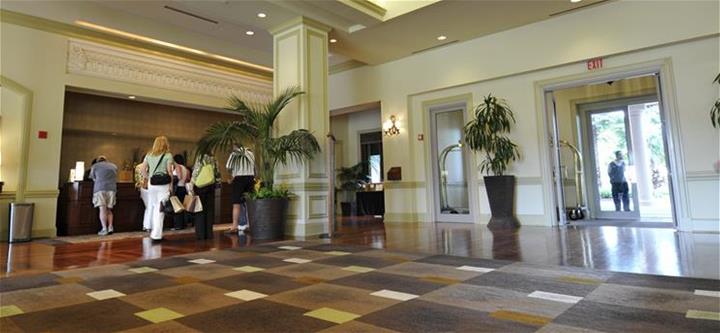
The millennial is looking for a comfortable working space, and as hotels are built and refurbished, we're seeing traditional hotel spaces being used to better effect. Instead of lobbies multi-purpose areas, which function as a lounge, small meeting space and work station, transforming into a social gathering space in the evening, are becoming commonplace.
Millennial meetings
The working hours of 9-5 are slowly disappearing, thanks to an increase in technology, growth in conference calls over multiple time zones and flexible working hours. This is leading to face-to-face meetings in the hotel lobby, short-term meeting rooms, available to rent by the hour, access to multi-screen telepresence rooms and the return of the power breakfast.
Hotelier integrity
Business integrity is very important to the millennial when selecting hotel companies with which to associate. Travel's focus on compliance, as in other industries, means the leadership, ownership and strategy of hoteliers or a hotel brand can significantly impact a property's image. This then has a knock-on effect to share prices, customer association, contracts and loyalty.
Non-traditional hotel alternatives
The millennial is known for being open to non-traditional hotel alternatives, particularly for stays of three days or more. This includes apartments, house boats and space within a residential house. We expect companies to look at how to incorporate these new accommodation types within their programme while meeting the safety and security needs of their travellers.
Loyalty
Recent research by Badgeville suggests 77 per cent of millennials participate in loyalty programmes. With a growing number of large hotel chains expanding into previously uncovered territories in the BRIC countries, and a significant pipeline of secondary city locations in planning, there has never been a better time to be loyal to one brand…think of the points!
Next generation cost savings
The advancement in expense management technology means ancillaries which were traditionally not included in cost saving analysis because the cost of controlling them was thought to outweigh the potential benefit. Items such as laundry, room service and ad-hoc meeting costs can now be controlled and used in negotiations to achieve additional cost savings.
With a fresh approach to business travel and new expectations of how their company supports them on-the-road, the millennial is a key stakeholder when it comes to getting buy-in from a company's travelling population.
After many years of cost reduction, mandating programmes and minimal traveller consultation, companies have learned that higher engagement means greater compliance. At the same time, employee engagement and staff retention are high on the business agenda; understanding and supporting travellers' needs is a great way to gain support and compliance with the hotel programme and company strategy.
All of these factors add up to an evolution, rather than a revolution, of the hotel programme in future. A more sustainable hotel programme structure and a robust platform for the changing needs of travellers, today and tomorrow, is on the way. Keep your eyes peeled as the millennial generation causes hotel programmes to change, develop and intrigue us all.