Business Travel iQ
An NBC television journalist asked a number of airports across the US how many airport security badges had been lost or stolen. According to the report, "Only one, Atlanta, provided numbers before the Transportation Security Administration blocked the release of more data."
NBC therefore had the data from only one airport to release but that was enough to make tasty reading. At Atlanta's Hartsfield-Jackson, the world's busiest airport which employs nearly 60,000 people, 1,400 ID badges had become unaccounted for in the past two years.
That is the numerical fact which can be interpreted in different ways. Badges allow free access around an airport although other forms of security such as biometric screening or pin numbers might be needed for higher security areas. Airport officials downplayed the risk to the public because of the fact that in addition to those requirements, the IDs were photo ideas. Moreover, badges are 'de-activated' once they are lost or stolen — much like the financial institutions do once a credit card is reported lost or stolen.
Others, who are only too aware that identify theft experts are well able to deal with such impediments as photos, were more concerned.
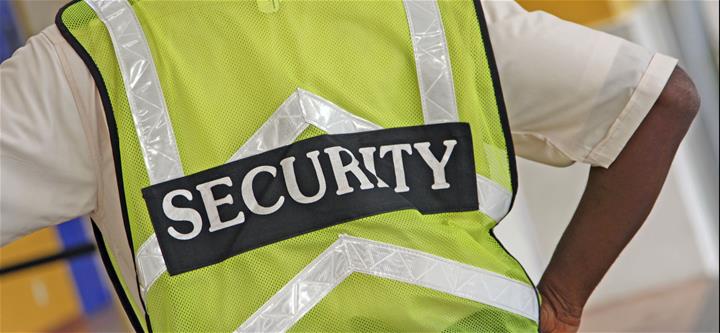 ©iStock.com/Lya_Cattel
After all, as any who have answered the door to see someone flash an identity badge from a charity or a utility company know, the first glance is perfunctory and human beings usually see what they're expecting to see so a badge doesn't have to be perfect to pass muster.
However, the degree of concern for security or risk at Atlanta's airport is another discussion. The point of it all, though, is where does corporate duty of care start — and finish?
Buyers now routinely include duty of care criteria in supplier RFPs. They want to ensure their travellers stay in hotels that have adequate contingency measures in place in case of fire or any other incident. But corporate travel buyers do not conduct airport RFPs. Airports, however, are routinely used by their travellers in the course of their travel on company business. So in theory corporates should also vet the security and contingency arrangements of airports that their travellers regularly use.
But there have to be sensible limits to how much checking any corporate could reasonably be expected to do.
By its nature travel can never be 100% safe. Reasonable steps are all that could ever be expected. Not all the steps taken on the way to every single meeting.