A few years ago there was a crisis in the hotel sector in Sweden resulting from the economic crisis. I knew I could reduce the rates I paid them. With a pure procurement mindset, this is what you might do - keep asking for lower and lower prices knowing that they market is so bad that they would take the business even at a loss.
My view is that this is the wrong way of managing travel.
The Swedish travel sector
The Swedish hotel sector has a large number of independent hotels, although there are national chains such as Elite Hotels and Nordic chains such as Scandic as well as more international chains such as Best Western and Sheraton.
According to Tillväxtverket & SCB/Statistics Sweden, hotel revenues in Sweden have been flat for the past three years at around 19 billion kroner and there have been several years in the past decade - 2005, 2009 and 2012 when revenues have fallen for most hoteliers.
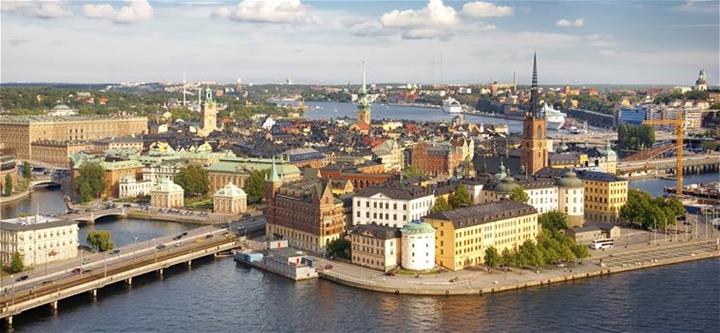
Stockholm is a busy city for meetings. In 2011, ICCA ranked it as number five in the world after Paris, Amsterdam, Vienna and Berlin in terms of number of delegates. Although the average hotel occupancy in the capital hovers around 66%, despite recent increases in capacity, there are times when the city is full to bursting. For example, during Nobel prize season in December and when the city's various medical conventions are taking place. Those are the times when relationships come to the fore and hoteliers remember those companies which have tried to offer unsustainable rates.
More encouragingly, the pressure on hoteliers looks set to reduce in the years to 2020. According to Stockholm Business Region's Hotel, 04 new hotels are planned for the Stockholm region by that date, increasing capacity by 17%.
It is not just the hotel chains who have had problems recently. Scandinavian carrier SAS seems to lurch from crisis to crisis, announcing hard-hitting restructuring programmes with regularity and shedding jobs as it tries to stay in the air.
I am worried about SAS; I hope they will survive but I am not certain they will.
The thing is that Swedish business travellers have no particular loyalty to SAS. Many travellers also look more at the price than at the airline. What is interesting is that British Airways often have lower prices than, for example, SAS. Since SAS, British Airways and Finnair all have high standards, British Airways can then have an advantage.
What perhaps keeps SAS going is frequent flyer miles. Swedish law says you are not allowed to use frequent flyer points personally but so, so many people do. This, rather than thinking of it as Swedish company, makes them choose SAS.
Relationships and respect
Sweden is not a big country and the people in business travel tend to know each other well.
So many organisations in Sweden now only have a procurement mindset and traditional travel management has been removed. This is very short-sighted. I try to persuade companies all the time what a good travel manager can do for a company.
I strongly believe it is important to show respect to suppliers and work towards a long relationship, not a short one that suits you at the time. This belief may not have given me the best rates in the short term but over the long term it certainly has.
This means being honest. What I never do is promise more than I can deliver. You can't know exactly how many roomnights you will deliver but you have to build up a good reputation of trying to show the facts. So many companies go to a hotel and say they will deliver 1,000 roomnights next year and then they deliver 300. The first year you have a good price but the next year you won't.
There are other things to negotiate on than price. Although WiFi and breakfast are included in Swedish hotel rates, you can negotiate on cancellation times and how many rooms are allocated to you.
Benchmarking your rates against what other Swedish travel managers have achieved is important. You tend to know a lot of other travel managers although you are not allowed to show your specific rates to other companies. Even so, you learn to know the prices and you can compare.
But in this spirit of building trust and long-term relationships, travel suppliers need to be honest about when they are in trouble, I believe. If they mean they cannot go any lower, they should say it. I don't try to get the absolute lowest prices. I try to get a good price for the company but also a price that gives the possibility for the supplier to survive. That way it is a win-win. If you build up trust, you can also expect help when you are in trouble.
Relationships take time to nurture and these come after you have been working with someone for a few years. It has happened that hotels have changed owners and then they come up with another way of working which does not suit you - then you choose another hotel. But most hotels recognise that they need a good relationship with the customer. Without a good relationship, built on honesty and recognition that suppliers need to earn a profit, you don't have a long-term relationship.