The economic news this week has been dominated by two downward trends: the fall in the rate of inflation in the UK (deflation in Europe) and the continued slump in the price of oil. Crude is today trading at around the $45 per barrel mark, a fall of more than 50% in the past six months.
As oil is a component of so many goods and services, the fall in inflation can rightly be seen as a consequence.
But one place where prices have been slow to drop has been air fares.
Jet fuel may be a different – and more expensive - commodity but the recent over-production and consequent over-supply of crude affects all oil prices.
Fuel surcharges are unlikely to go away. IATA and large network carriers such as British Airways argue that surcharge income still hasn't covered the losses made when the price of oil skyrocketed a decade ago.
Because jet fuel will account for anything between a quarter and a half of a carrier's operating costs yet be out of the direct control of airlines, carriers have long practised 'hedging', a system of committing to purchase a quantity of fuel at a given price. The objective is not only to purchase at a cost-effective price but to have some certainty around operating costs. Large carriers cannot risk major fluctuations in the cost of such a major component.
Because of this many airlines, such as British Airways, are using fuel that was probably hedged two years ago and thus at a significantly higher price than what jet is trading at this morning. easyJet is 90% hedged for the 12 months until September and 58% hedged til September 2016 – in other words it is paying for a lot of its fuel at high prices. And the savings are nowhere near as great as consumers might believe once the current strength of the dollar is taken into the calculation.
What is interesting is the different carriers' reactions to the recent plunge in prices. BA, Air France-KLM and Lufthansa have all said that they are not making big changes in hedging strategy. On the other hand, Thai Airways has said publicly that it will hedge 100% while Aer Lingus and Ryanair say they will hedge to cover 2016. But some airlines such as Asiana and Air Berlin are not hedging precisely because of the volatility – prices could go down a whole lot more although many experts believe that it is likely to bottom out at about $40.
The reasons behind the over-production also explain in part the lack of a rush to cut air fares.
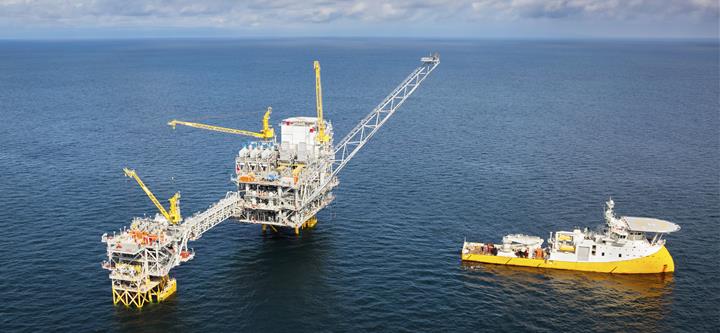
Oil prices are volatile because supply and demand is concentrated in a few producers. Because the cost of investment in new methods of extraction such as fracking has upped cost so much, the US has increased production (it's gone from about 7 million barrels per day in 2008 to 11 million barrels per day now) to recover costs. That extra supply is pushing down prices for everyone and hurting those, such as Russia, whose cost of extraction is still high.
Eventually some producers will have to stop production because the cost of extraction will be higher than receipts from the oil and when that happens supply will fall again and prices will rise.
So carriers may reduce the surcharge at some point in the future but not soon. But a lower current operating cost might prompt some carriers to add services (slots permitting) and that extra capacity could have the same effect on fares.
You see, fares will always depend on supply and demand.