Travel managers are often confronted with a minefield of data but how do you decide what is relevant and what isn't? And how do you work out what to do with it?
At Business Travel iQ's Smart Travel Management conference Bernard Marr, founder and CEO of Advanced Performance Institute recognised that companies are often overwhelmed with the amount of numbers they receive. He revealed less than 10% of data is used to make a decision.
Bernard encouraged buyers to take a more sensible approach to data reporting by taking control and setting objectives before getting too far into analytics.
"Identify the strategic questions you want an answer for. What do you want to make better or really get to the bottom of?" he said. By starting with a question buyers can drill into the detail and then turn to a particular supplier or third party if there is data missing.
Bernard suggested the SMART method as a way to get the most relevant data.
Start with strategy
Measure metrics and data
Apply analytics
Report results
Transform your business
He added that data can only really be relevant with these factors taken into account.
- Volume - When it comes to data, the more the better.
- Variety - Information can be found through different sources and means, including those outside of where you'd typically look. Untraditional sources of information include voice analytics to sense how people feel about particular points, spotting common words and descriptions in transcriptions and analysing the behaviour of shopping and booking processes.
- Veracity - Gathering accurate and trustworthy data is important if a buyer is looking for clout. Working with suppliers is important but through the variety of data sources you will be able to create a stronger overall message.
- Velocity - More data is available at a faster pace, so more is available to companies than there ever was before. It means suppliers are becoming more dynamic, so buyers should look to do this too.
Continued below
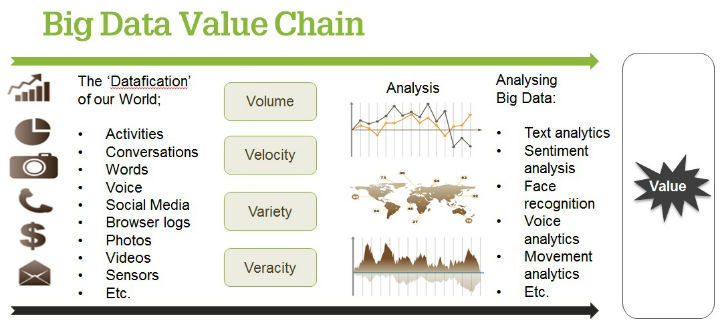 From Bernard's presentation
The SMART method is already in practice by some buyers. Derek Caddie from EY explained how he used questions to analyse data. He aimed to look at traveller behaviour such as the booking lead-in time and how many same-day bookings were taking place within the company.
Other buyers agreed that travel managers need to take more ownership of content and should be more active in fixing the holes in their own data. If the traditional means of collecting data are not providing the full picture, the group said it is down to the manager to find out where they could obtain those numbers or sentiments. It may also be that the travel manager needs a tool or third party to help make sense of the numbers.
See Bernard's speech below