Lyft is a company with an app which connects those who need rides with drivers that can provide them. That should sound familiar. If the name isn't, the answer is probably because at present it operates only in US cities.
As well as operating only in the US it also differs from Uber in that it's trying to develop driver quality as one of its distinguishing brand values. Last week it announced partnerships with both Shell and Hertz. Lyft drivers will now have access to discounted petrol from Shell. More interestingly, if they don't have their own vehicle or if their vehicle is not up to Lyft standards, they can rent one on a favourable daily, weekly or monthly basis from Hertz.
The arrangement with Hertz is initially available only to drivers in the Las Vegas area but is expected to be extended to other destinations shortly.
It is indeed an innovative way of expanding choice and opportunity and adapting to evolving market demand.
Lyft assumes the responsibility to check out both drivers and vehicles. The deal with Hertz gives approved drivers an alternative if their vehicle is too old (cars must be under 12 years old) or not up-to-scratch for some other reason.
Continued below
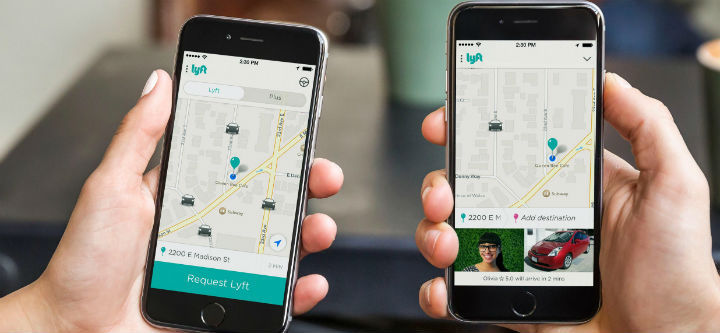 Lyft is expanding its partnerships
The vehicles being made available via the Hertz scheme are SUVs so drivers will be able to charge a premium over the rate applicable for a sedan (saloon) car hire.
Many travel managers are beginning to recognise the value and savings of including ground transport in their programmes. The Lyft-Hertz collaboration is demonstrating how modern business can adapt to meet the needs of corporate programmes.
Corporate ground transport programmes often require more than only car-hire and self-drive. Chauffeur drive, whether as airport-city centre transfers or otherwise — taxis, in other words — are big components of most companies' T&E spend. This partnership shows the ability to adapt business models to offer the service range that modern corporate travel programmes need. Moreover, steps have been taken to ensure the programmes work in terms of accountability, safety and CSR as well as data, traveller tracking and cost-effectiveness.
And it's been proven. Travellers like to use an app to get a driver quickly.
The sharing economy and the traditional ground transport players seem to be working together to create appropriate solutions for corporate T&E programmes for new times.
Hertz cars can be used directly for self-drive business use. Lyft drivers — the chauffeur drive segment — have access to vetted cars.
Corporate requirements are addressed and corporate travel management has access to both.