In last week's analysis we looked at the likelihood of air fares falling now that the oil price has plummeted and argued that there is unlikely to be much relief in the short term because of the widespread use of hedging by airlines, which means that carriers are insulated from the actual cost of fuel hikes for anything up to two years.
Even so, questions are surfacing about when fuel surcharges might be reduced given that some airlines have not been using hedging so aggressively. Jet fuel has halved in price in a short period. Hedging is an expensive business but with fuel dramatically cheaper, the cost of oil today plus an unused hedge is probably cheaper than expensive fuel in the past.
Some analysts (the same analysts who were predicting long-term oil prices of $150+ not so long ago) are suggesting oil could fall even further. Where do the airlines find their excuses then? 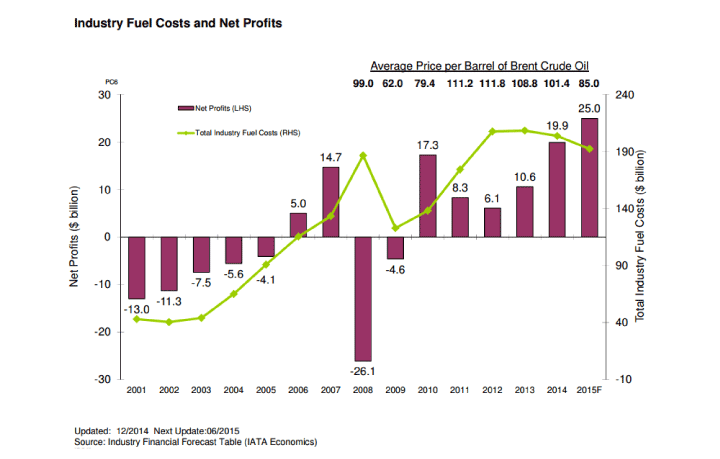
Our chart this week delves further into one of the areas touched upon in last week's analysis - how fuel costs relate to profit. The purple columns on this chart from IATA show airline industry profits as a whole and their relationship to the cost of crude. The column on the right is the more interesting. This is the $25bn profit which has been forecast for 2015. Yet if you look at the figure above the column, this forecast is based on an average price of oil of $85.
Over the period shown, airline losses added up to $72.2 billion. The profits, excluding 2015, amount to $81.9 billion. With oil forecast to remain low, airlines look certain to have a bumper year and calls to remove fuel surcharges will only grow.