No one would dispute that one of Apple's core brand values is innovation. So its constant stream of applications to the US Patent Office is unremarkable in itself but this week a new application came to light which could shake up the world of corporate payments as we know it.
Apple's patent application 20150304323 is officially about the use of a biometric image for authorisation. In practice it would allow someone with account responsibility for others — for example, a parent and child or a corporate and an employee — to create user profiles (including the biometric image of a fingerprint for authentication) which would allow, say, a number of business travellers to use a single Apple Pay account.
Think of how virtual cards or lodge cards work and you get the picture. There would be a central Apple Pay account and those listed officially as users could then use their iPhones or Apple Watches rather than a card for their expenses.
The user profiles could be used just as corporate cards today are managed with spend limits set for each traveller and authorisation for specific categories of purchase.
The chart below shows how it can be configured.
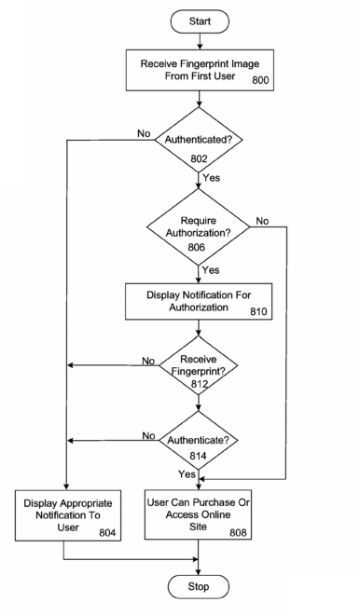 There is no reason why there could not be the real-time data feeds to expense management systems from Apple Pay just as there are from the card companies.
But is there any benefit? To the corporate there might not be an immediate financial advantage because, as with the GDS, in addition to the cash flow benefits corporates will be able to issue corporate cards for 'free'.
But that is only one part of the story. With the increasing use of mobile in corporate travel, managers need to note that having the ability to 'own' user profiles has uses beyond payments — the phones then could be used for targeted communications or, say, traveller tracking. Specific apps could be approved — or banned.
The supplier aspect should not be ignored. As buyers have learned as a result of Lufthansa's introduction of a DCC, just because something appears to be 'free' for you doesn't mean that others in your supply chain aren't affected by the business model — and that can have ramifications.
According to IATA, airlines are just as concerned about their payment acceptance costs as they are about their GDS costs. The issue of who covers merchant fees has been simmering in airline CFOs offices at least as long the issue of the cost to suppliers of bookings made via the GDS.
Disruptors can be new business practices. They can be new players. Or, as Apple may yet demonstrate, they can be both.