Andy Prior
In day-to-day meetings the sexuality and gender of a business traveller has no bearing on work commitments.
However when it comes to their personal or down-time, the after-work drinks or a networking event during a conference, travellers and businesses need to be aware that in some countries there are laws and attitudes towards the LGBT (lesbian, gay, bisexual, transgender) community.
In certain destinations, LGBT travellers are more likely to be discriminated against by the public, law enforcement agencies and even travel companies.
There are more than 75 countries where homosexuality is currently illegal or highly restricted as shown in the map below.
Some countries may recognise some LGBT rights but they may not be culturally accepted.
Continued below
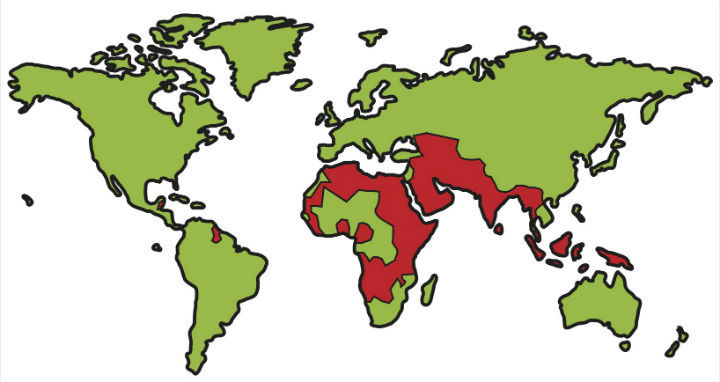 N.B. This map is correct at 09/07/2015 but remains largely unchanged
There are a few practical steps and considerations that can help reduce the personal risk to these travellers.
- Employees travelling to countries with anti-gay laws or sentiment should consider keeping a low profile, as their actions and views may have negative repercussions and in a worst case scenario, can cause imprisonment.
- Be wary of using social media and dating apps; it is advised to hide your profile and avoid using dating apps in certain countries due to the threat of police entrapment or worse.
- Transgender travellers should ensure their legal identity is up to date and their passport matches their gender identity. It is also worth checking that all other documents match this identity too.
Travel does not have to be restrictive just because there is an additional risk but it is important to have the knowledge and correct frame of mind before flying. We may not agree on how different cultures and societies treat different groups but travellers will generally be safer and more comfortable if they conform to the different cultures and adopt a conservative approach.
- Andy Prior is director at betravelwise