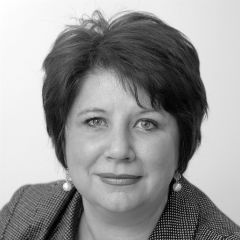
 Large independent TMCs are sensing more opportunities in the changing marketplace. UK-based Business Travel Direct is using a strong technology roadmap and deeply-engrained partnerships to stand out, and lead what managing director Julie Oliver calls "a revolution" for the business travel industry.
BTiQ: Business Travel Direct has been quick to integrate new technology. What have been the latest tie-ins?
JO: It is true travel management to anticipate what is out there before clients tell us to integrate. BTD has been early adopters for many providers; it sits with our vision of data and giving buyers choices.
Our partnership with Traxo is around an ethos of unmanaged data and our willingness to work with it; it's about the data rather than the booking and taking us to the next level. We're the first TMC to have TripBAM and Traxo working together everywhere — a buyer will need direct contracts but the deals mean we can take that data through our workflow.
We've been real advocates of Concur's TripLink and invested across the Concur tool stack; our team are very experience and meet the rigorous demands in support and integration. Recently we've become a Concur Bureau for other TMCs so if they aren't a Concur reseller but want to deliver the solutions then we can facilitate that.
BTiQ: How could this 3-5 year plan look?
JO: In the next 6-12 months we'll be going to market with a new technology model which is in testing at the moment.
More buyers want a 3-5 year vision in proposals. There's so much disruption that buyers want to see plans in these areas and whether we're ready for things like Brexit, AI, direct supply, GDPR and NDC. We need to be in the best possible place and be agile and future-proof so we can handle it, for example a form may say online/offline but there's so much more now eg chatbots.
A lot of that is down to the knowledge we have; we don't want to be defined as a traditional TMC but want to stretch ourselves. So if a client signs up for 3-5 years they're more comfortable we've invested fully, safeguarded their travel programme and can move quicker.
BTiQ: You want to move the conversation away from fees and pricing. How do you do that?
JO: We've got to move away from price; air travel is so cheap that those prices have to change. A big focus is on data. Our investment and model changes the proposition; we don't want to be judged on the price of a booking. It's not putting travel in a box but asking what's important to the buyer and overcoming that for them, so that may be around duty of care, pricing or predictive analytics for example. This new approach means we can move past saying "there's one option and that's to book with us".
There are already some ways we show value. For example, we always used to come away from meetings with the need to supply rate information at a later date. So we built the technology that meant we could see the results there and then, otherwise we can miss the window.
Not all buyers will want to do this. But the technology is there to assist you — buyers can have their cake and eat it. It's almost a revolution rather than an evolution.
BTiQ: What does your partnership with ATG add to this?
JO: ATG has meant we have global clients in place but with a regional feel. It is local franchises so some are owned and others franchised, and these tend to be large independents. It means I can pick up the phone and speak to another managing director to make things happen; we want to give that level of care.
It's more comforting that the buyer's voice is being heard in those regions and that they know we care about their business. There are less options of travel buyers and not all global TMCs are global, for example, when it comes to technology. Buyers find that while they may have large spend in some territories they're looked after but not so much in other regions where the service may differ. In ATG all are committed so it is one global roll out and contract; one buyer has just gone to 61 countries. You can sign onto the vortal and it looks global but goes to regional technology and gives regional nuances.
BTiQ: Where else could BTD invest in the future?
JO: We will use AI where it makes sense to automate. I can see technology like Alexa gaining ground but it's still to be determined how this will work and there are some privacy issues.
We have big ideas around trip ROI and how we can enable and measure it.
BTiQ: What do you see as the role of TMCs moving forward?
JO: I always put myself in the shoes of the buyer. There's a lot of responsibility to look after travel programmes and we want to be a trusted advisor. TMCs need to be relevant and be a partner and expert in travel technology.
There's so much you can do across an integrated trip. This will be evolving over the next year and it will be great to work alongside Concur on that. We can assess what the perfect trip looks like whether its expenses, unmanaged travel or otherwise, and consider a different feel and language.