ch-Aviation this week reports that easyJet CEO Carolyn McCall has told Frankfurter Allgemeinen Zeitung the carrier is exploring interlining with other airlines to offer long-haul flights to its customers.
McCall does not name names but is quoted as saying the talks were "very interesting and constructive".
The move echoes similar sentiments expressed earlier this year by Ryanair supremo Michael O'Leary. Ryanair is understood to have approached Aer Lingus, TAP Portugal, Norwegian and Virgin Atlantic.
Are we about to see a new twist in the LCCs' drive to gain market share?
Continued below
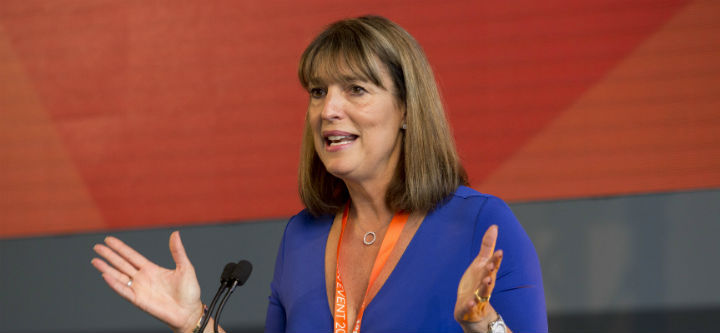 easyJet's Carolyn McCall
No-frills airlines used to have a strict business model: direct distribution only, regional airports, single cabin class, one kind of aircraft. After all, the idea was to keep the cost base as low as possible and by doing that be able to offer lower fares while maintaining adequate enough margins to be profitable.
And it's worked. So why the change in tactics?
The economics of the aviation industry are not straightforward.
As well as the usual business considerations — market, distribution, revenue, there are a host of complicating factors including international government and institutional regulations. The LCCs' model is built on trying to keep things as simple as possible.
As Concur's Eoin Landers points out the LCCs have built a successful model without joining IATA and consequently BSP and the GDS. It looks as they're now aiming to expand its product offering — ie to add long-haul routes — without carrying the additional costs of different fleets etc.
Although not knowing the commercials, it looks like a good idea — after all, in principle it's no different from the existing airline alliances, now all about 20 years old — separate businesses which do joint marketing, ie agree to sell passengers onto each other's flights. So, the low-cost carriers have the potential to be feeders for long-haul routes and long-haul carriers can potentially have access to new customer markets.
For buyers this could mean exciting new options as the LCCs have traditionally flown to airports — and destinations — not served by network carriers. For those in financial services who typically fly to large financial centres this is irrelevant, but to sectors such as retail, manufacturing and tourism it could be a boon.
Whether it will actually happen is the bigger question — there's a long way to go from proposing an idea to the contracts being negotiated and signed. That is without thinking about the technical challenges of offering long-haul on the easyJet website without incurring GDS charges — if indeed that is the way it plans to go.
But what's in no doubt is that the ambition of the low-cost carrier sector is starting to look limitless.