If you read the latest European statistics, you would think that Germany had a problem with disruption due to industrial action. In the most recent figures available from Eurofound, Germany lost 86 working days per thousand employees due to strikes, compared with 77 in France and 14 in the UK.
Yet the high figure for Germany hides an interesting tale. If you look at the longer-term statistics, the number of days lost is typically fewer than 10 in Germany, around 20 to 30 in the UK and more than 100 in France.
The reality is that strike action has been historically unusual in Germany, thanks to long-term settlements covering pay and labour conditions that cover huge swathes of the German economy.
Ask anyone involved in German business travel about strikes now, though, and what was the exception has become the rule.
Business Travel iQ Insight
In early November, members of the GDL union walked out on what has been billed as the longest strike in Deutsche Bahn's 20-year existence. The strike coincided with the 25th anniversary celebrations of the fall of the Berlin Wall. It was the latest in a series of strikes which have frustrated German travellers since the summer.
GDL is asking for a pay increase of up to 5%, a reduction in the working week from 39 to 37 hours and the right to represent on-train staff as well as drivers in any collective bargaining agreements.
There appears to be no end in sight.
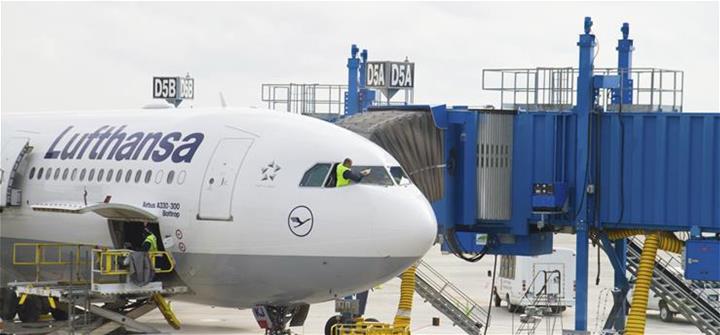
Meanwhile, Lufthansa's customers are this week suffering from the effects of the latest in a series of strike called by the pilots' union Vereinigung Cockpit. The union is protesting against plans by the airline to increase the age at which pilots normally take retirement from 55 to 60. It called a three-day strike in April, which the airline says cost it €60m, while further strikes in September have cost it a further €35m. Strikes by others, such as security staff and public sector workers, have reduced the airline's income by another €10m.
Part of the reason that industrial action has been so rare in the past in Germany is that the options open to companies are wider than in some parts of Europe – they can stop paying striking workers and are able to employ temporary staff to take their place.
So why are German workers striking far more than they used to?
The main reason is a Tarifeinheit or unified wage bargaining agreement proposed by Labour minister Andrea Nahles. The proposal would mean that only the largest union in a company would have the right to negotiate over wages and conditions in a company.
GDL and Vereinigung Cockpit are both relatively small and, if the proposal is approved, they would lose much of their power. Rather than striking over wages and conditions, these battles, which look set to drag on, are as much about the smaller unions' existence.