



RAIL TRAVEL
MAKING PROGRESS
Booking rail travel remains a persistent frustration for many travel buyers, but the good news is that meaningful progress is seemingly underway


By Mark Frary (published 21 November 2025)
By Mark Frary (published 21 November 2025)



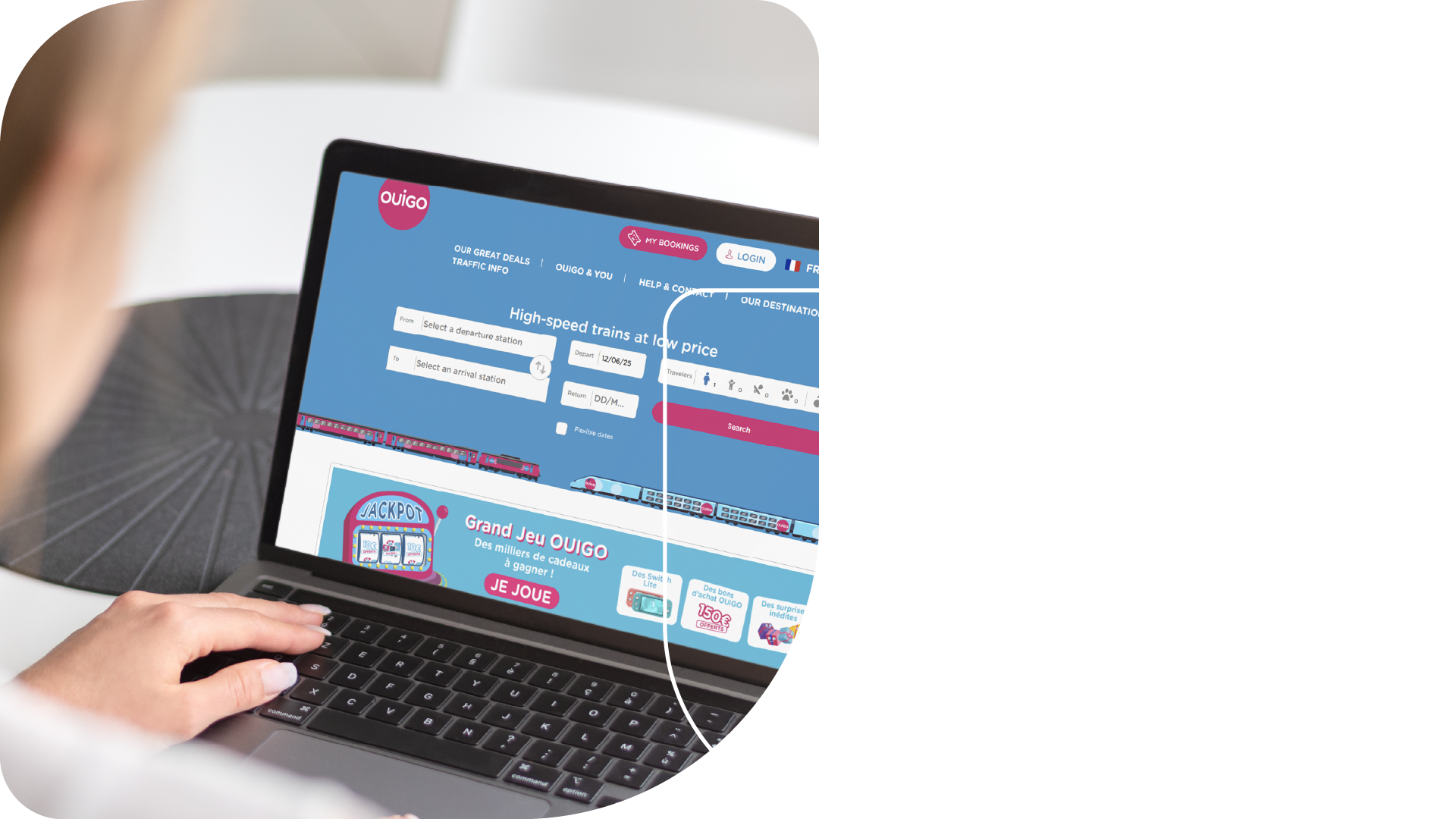
Photo by Adobe Stock, PhotoGranary
Photo by Adobe Stock, PhotoGranary
Attend any rail travel session at a corporate travel conference and the chances are that the discussion will centre on the difficulties of booking rail in a managed environment. However, things are starting to move, although with a less than urgent pace in many cases.
Cross-border rail has been a particular headache but there are signs that the blockers are being removed. “Most of the rail carriers in Europe have changed or are in the middle of changing their reservation systems. The rail carriers are really thinking more about third-party channels, although we're not quite where we should be,” says SilverRail’s chief strategy & commercial officer, Cameron Jones.
Much of this movement in Europe is down to wider adoption of the Open Sales and Distribution Model (OSDM) framework developed by the UIC (International Union of Railways).
OSDM, which give rail companies real-time access to each other’s ticketing systems, went live in 2021. Now, 22 rail companies, aggregators and retailers have adopted the standard, including SNCF, Deutsche Bahn, SBB, ÖBB, SJ, Trenitalia and SilverRail.
Deutsche Bahn has moved to OSDM this year and says it expects to offer integrated ticketing for virtually all major European rail companies by the end of 2026, including local transport, through its website and DB Navigator app.
SilverRail’s Jones says: “We made a decision two years ago to make our new platform OSDM-native. We have that standard all the way through the platform, which means it's very quick to make changes and get content through to our customers.”
At June’s Business Travel Show Europe, SAP Concur unveiled a new partnership with Trainline Partner Solutions which would give travellers, travel managers and TMCs the ability to book multiple domestic and international rail journeys for the same trip.
At the beginning of November, Evolvi announced it was adding international rail including SNCF, Eurostar and Deutsche Bahn to its API, expanding the rail company’s offering to TMCs and online booking tools, who can now avoid having direct contracts with individual operators.
Darren Williams, Evolvi’s managing director, says, “Nearly all our customers are TMCs, so you've got a very finite pool. Unless we can widen the breadth of our product, we're not going to be appealing. You have to do that to be able to stay relevant and grow.”
He says APIs have revolutionised access to rail content. “With the first rail APIs you could connect, but it was hard. Things in that world have improved. It's now a lot easier and there is a lot more flexibility,” he says.
In September, Trainline Partner Solutions (TPS), the rail booking provider’s B2B arm, announced that it was extending its 10-year contract with American Express Global Business Travel to the TMC’s clients in the EU. Corporates will have access to online booking and after sales, train seat maps, split ticketing in the UK, and carbon emission calculations.
Elsewhere, Amadeus' Cytric booking tool has recently integrated APIs from Deutsche Bahn, SNCF, ÖBB and Ouigo. How does this all translate to what buyers can see in their online booking tools?
“Things have improved over the past 18 months,” says Raj Sachdave, managing partner of Black Box Partnerships. “The OBTs’ roadmaps show they have now made a decision on where they're getting content from. I don't think that net benefit has made its way through to the traveller yet. The next six to nine months are going to be really pivotal in showing the value of all that work, for example in the availability of seat maps and split ticketing.”
With the improvement in rail content availability, Sachdave believes that better comparison metrics will be required, particularly as everyone is talking about the role of AI in rail booking.
“There needs to be a smarter biasing matrix in 2026 from the OBTs which is a lot more creative in terms of taking the fixed policy parameters of the travel programme and working with dynamic pricing, sustainability, the well-being matrix and bringing those into the fold,” he says.






SUSTAINABILITY CREDENTIALS

Even with the row-back from sustainability in geopolitical circles, corporates still want to choose rail as a sustainable travel option and better comparison with other travel modes is still important. “We've seen the OBT road maps and a majority of them are going to have integrated rail and air,” says Sachdave.
But SilverRail’s Jones says there are barriers: “It's about being sensible about where you put rail because it can really clog up an air display because you've got so many train departures.”
For UK buyers, the high cost of domestic rail is often a barrier to switching from air but the renationalisation of train operating companies will surely bring benefits.
The Railways Bill, published on 5 November, argued that the current fragmented system “suffers from unreliable services, low customer satisfaction and poor value for money”. A new body, Great British Railways (GBR), will bring together railway infrastructure and most passenger train services but this is at least a year away.
“It will remove the cost duplication of technology; it'll simplify the market,” says Jones. Anything that simplifies the fragmented and confusing rail market will be much welcomed by both buyers and travellers.


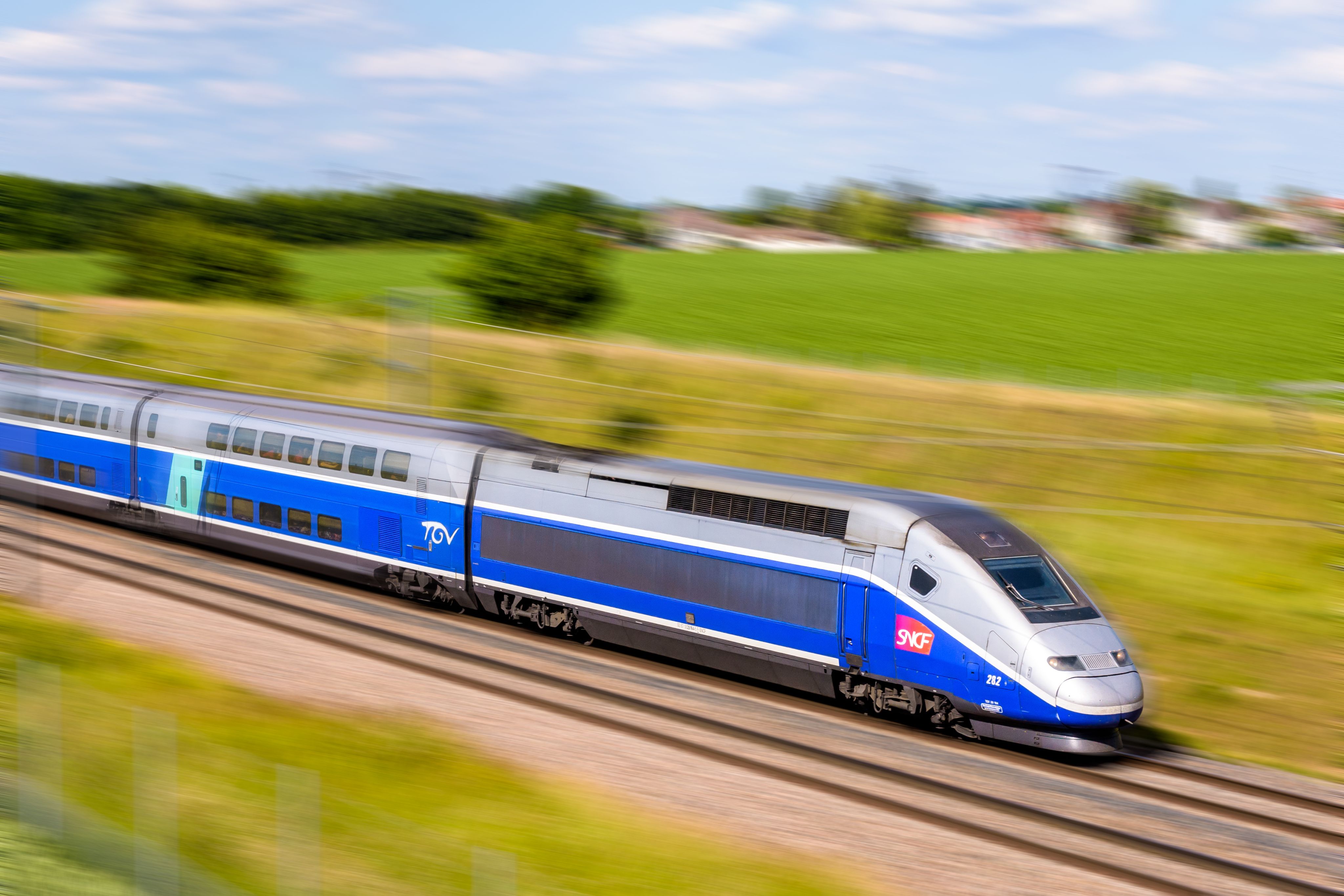
Photo by Adobe Stock
Photo by Adobe Stock


HITTING THE BUFFERS
The problems buyers face in managing and booking rail travel are illustrated by the case of one travel buyer whose transition between travel management partners did not proceed as smoothly as hoped.
Engineering services firm Atkins Réalis is one of the biggest users of corporate rail in the UK, buying well over 100,000 rail tickets worth around £7.5 million a year. Following a global tender, it moved from one travel management company and online booking tool to another, but now its preferred rail platform, Evolvi, would be integrated directly in its new booking tool.
Unfortunately, the new OBT could not provide the same Evolvi features and functionality that the company had been used to, including e-ticketing. “It wasn’t until we started implementation that [we realised] you couldn't do some things. We do 65 per cent of our tickets as e-tickets so this was a big problem,” says Hickingbotham.
As a result, the company switched to its new OBT’s preferred rail partner, but problems persisted. “Our people like to collaborate and be able to speak to each other. The rail journey is a great opportunity for people to get together and have a natter about work,” says Hickingbotham. “But you can't book more than one person so you would have to go offline and pay additional transaction fees and you don't even know if they can sit next to each other. Another issue is that if you try and book a peak ticket and then you want to have an off-peak ticket back, they don't show.”
Another big miss was split ticketing. Not having it was costing the company £30,000 a month, says Hickingbotham. In the end, the company reverted to using Evolvi as a standalone rail platform. “Evolvi really wants to work with these OBTs,” Hickingbotham believes. “We know that it can be done and that's a frustrating thing. It feels as though you're just constantly banging your head against the wall.”