

DANGEROUS TERRITORY
Travelling in high-risk destinations requires more stringent protocols, preparations and on-trip support
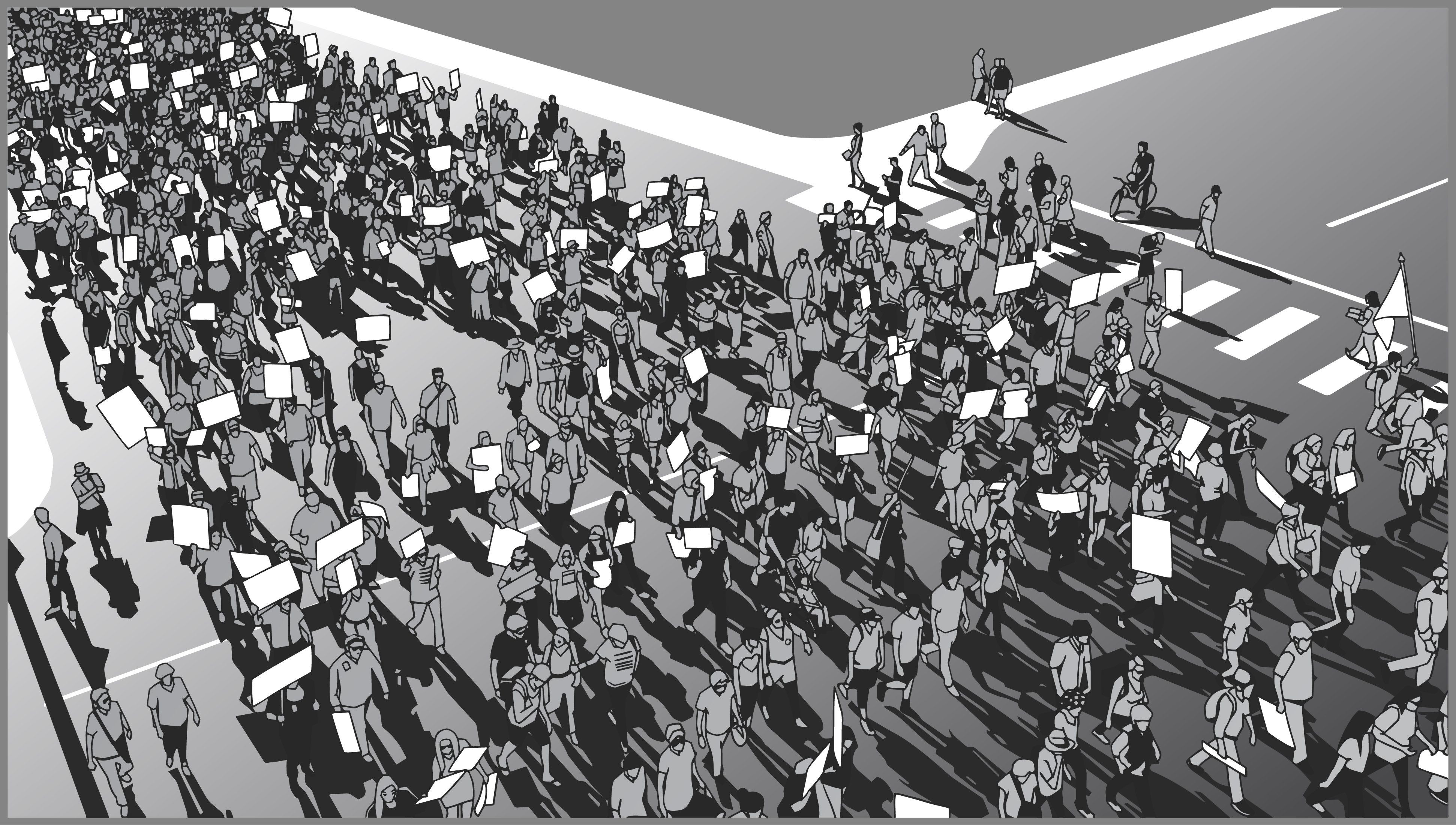

It wasn't long ago that all business travel was deemed high risk, but as we emerge from the pandemic, corporate travellers will once again head to destinations others normally don't - or won't - set foot in.
The gates close on leisure travel when the UK's FCDO advice against "all but essential travel" invalidates regular insurance policies, but corporate travellers do not have that backstop when there's a job to be done regardless. That's when advice may be needed from outside specialists.
Travellers to risky locations are typically engaged in infrastructure, construction, energy, mining, oil and investment banking, the latter seeking opportunities in emerging markets. However, the pandemic means almost any destination carries the risk of being stranded and finding medical facilities overwhelmed.
"It doesn't follow that a high-risk country is typically a war-torn country or a horrific environment," says Matthew Judge, managing director of consultancy Anvil Group.
Duty of care in high-risk locations has had an added impetus since September 2021, when the ISO 31030 travel risk management guidance came into force. This provides clear advice about prevention, mitigation strategies and hazard identification. "The standard becomes the baseline for most legal cases. It lays down how it should be managed," Judge warns.
"Organisations need to be much more proactive in their risk management," he says. "There's now a strong balance between proactive and reactive; traditionally, most organisations were very reactive. That simply doesn't cut it anymore."
Extra pre-trip precautions are now needed, for example checks to screen any condition that may be exacerbated in somewhere healthcare may not be of a good standard. Recent years have also seen race, religion and sexual orientation become part of the thinking. "You need to consider cultural differences and provide relevant advice without discrimination," says Judge.
Other factors can include an employee's status and whether that makes them a kidnap risk and if key dates - or an anniversary - during a trip will be a trigger for any unrest.
Peter Cooper, Collinson's global security director, adds that ISO 31030 and the pandemic mean travel risk management has come to the fore. "It should be a boardroom agenda," he says.
Cooper also urges a holistic approach: "It depends on the situation on the ground. Some [destinations] are clearly more risky, but there's also the individual, their profile and how it fits the destination and the purpose of the trip."

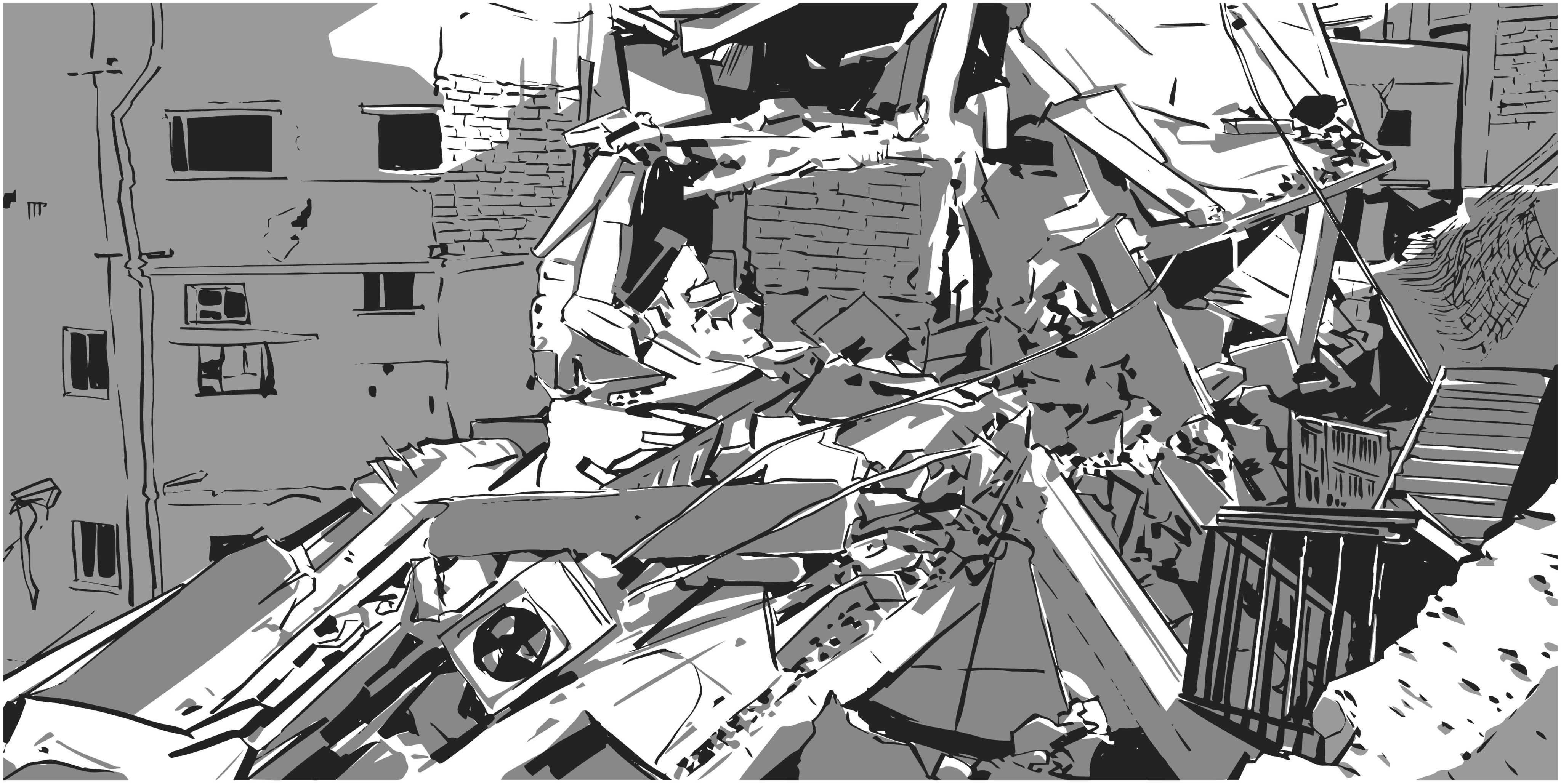
Keeping track of staff may mean a daily call or text, perhaps using a satellite phone or tracker if they are out of mobile range. A visit to the hotel from a ground agent may be authorised or, in extreme cases, a close protection team needed.
Sometimes, seemingly innocuous tasks abroad can have serious consequences. Cooper recounts the tale of a US executive sent to France to close a factory: "They had to send in effectively an extraction team because he was held hostage."
Covid means any trip now potentially poses risks. "It's changed the dynamic and people should be aware of that," says Cooper. "There will be stress on medical facilities and the socio-economic picture could have changed if people have lost jobs. Some places people thought weren't risky now are."
He advises the use of a checklist for staff detailing what to do in an emergency - particularly considering many will not have travelled for more than 18 months - and adds post-trip care is equally important. "Record near misses and identify what could have been done better. That's when you'll find out whether it affected their mental wellbeing and if they need more support."
Crisis management firms are happy to add their input, but the final decision to travel rests with the corporate. "It's up to an organisation. It's never our role to say 'go' or 'don't go'," says Erika Weisbrod, an ex-US Defense Department analyst, now security director, operations, security consulting at International SOS.
Her company works with corporates' security and HR teams. "We like to see it as a partnership. Some have robust security teams, some don't. Most organisations look at more than one source and create their own travel policy based on our input and government advisories."
She is another who believes the pandemic has changed corporates' attitude to travel. "Before, if it was low-risk, you did not have to get approval. Now, many are putting in another level of approval as we are in this return to travel phase. A lot of organisations are starting with a clean slate.
"I think there will be closer attention to where people are going and why; everyone was burnt a bit during February and March 2020 because people got stuck."
Weisbrod adds that Europe was always seen as low-risk but Covid changed this, with mobility between countries as well as Covid rates now key factors.

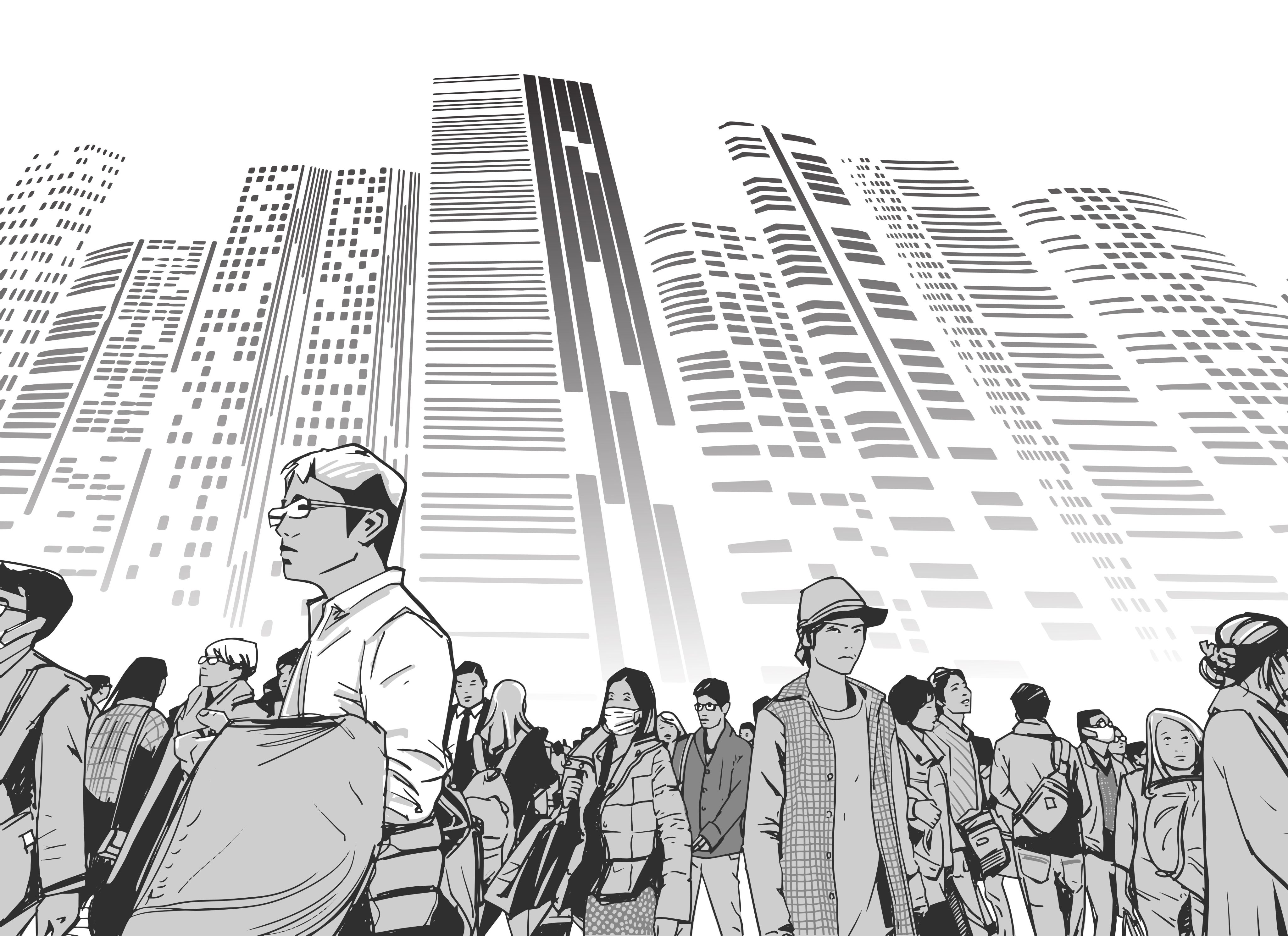
Despite their image, crisis experts are keen to point out most of their work is mundane. Most visits abroad are trouble-free and do not involve terrorism, war or other worst-case scenarios.
"I'm very pleased to say we've managed a number of major incidents, but most are people falling ill or lost passports - security issues are an awful lot rarer," Judge says.
Crisis management teams still have a role to play in these incidences, he says. "You're normally on your own in a foreign hospital, feeling vulnerable." Sometimes the ending is not a happy one. "One of the hardest things is repatriation of a body. They can be challenging. It's where emotions are at their highest."
There are, though, the occasional gung-ho episodes. Collinson was involved in the Afghanistan evacuation, helping "a large corporate client" bring staff to the UK and Covid test them before repatriation to their own country. "We did 700 PCR tests in six hours," Cooper recalls.
Weisbrod tells how the pandemic provided an evacuation challenge during a coup in Chad in April, when airspace and borders were closed. This hampered removal of clients within the 72-hour Covid test window, although the mission was accomplished.
"This is what we do," she says, but adds: "I think that's where we're successful; we don't have to do that many massive evacuations. Our goal is to prevent them in the first place."


 Built with Shorthand